What We Leave Behind: Navigating the Delicate Art of Passing Down Luxury with Grace
Among the many decisions that define a life of considered collecting, few are as emotionally complex—or as consequential—as the question of inheritance. The luxury pieces that have been gathered over a lifetime carry within them not merely monetary value but the accumulated weight of memory, identity, and personal history. To pass them on well requires a kind of generosity that goes far beyond the legal mechanics of an estate.
And yet this is a conversation that many American families, even the most thoughtful and well-prepared, approach with a mixture of avoidance and improvisation. The result, too often, is the wrong piece going to the wrong person, or a beautiful object being received as a burden rather than a gift.
The Problem with Assumption
The most common error in the inheritance of luxury pieces is also the most understandable: the assumption that what we cherish, others will cherish equally. A mother who has worn the same diamond brooch for forty years may find it genuinely difficult to imagine that her daughter does not feel the same gravitational pull toward the piece. A father who has carried a particular watch through the defining chapters of his adult life may assume, without ever asking, that his son understands what it represents.
These assumptions, however loving their origin, can place an invisible weight on the recipient. The daughter who accepts the brooch out of obligation rather than desire may find herself unable to wear it—unable to sell it, unable to give it away, unable to do anything but keep it in a drawer where it gathers the particular sadness of objects that have outlived their context.
The remedy begins with conversation, and conversation begins with honesty.
Asking the Questions That Matter
The most gracious collectors approach the question of inheritance as they approach the question of acquisition: with curiosity and without presumption. Before designating a piece to a particular heir, it is worth asking—gently, without pressure—whether that person has a genuine relationship with the object.
This does not require a formal inventory or a legal proceeding. It can begin as simply as wearing a piece in the presence of the person you are considering, and paying attention to their response. Do they ask about it? Do they reach for it when you offer to let them try it on? Or do their eyes move past it without particular interest?
Some families find it useful to share the stories behind their most significant pieces while there is still time to do so in person. A grandmother who can sit with her granddaughter and describe the circumstances under which a particular ring was given—the year, the place, the feeling of the moment—is offering something that no written note accompanying the piece can replicate. The story, told in the original voice, becomes part of the object's identity.
When the Greatest Gift Is Permission
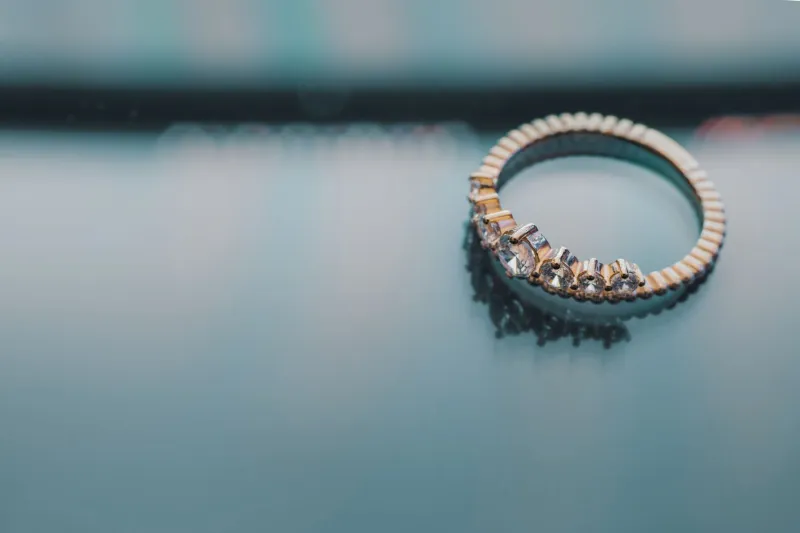
One of the most liberating ideas available to the luxury collector considering their legacy is this: the greatest gift you can give a future owner is permission. Permission to wear the piece differently. Permission to have it reset, resized, or reimagined. Permission, even, to sell it if it does not serve their life.
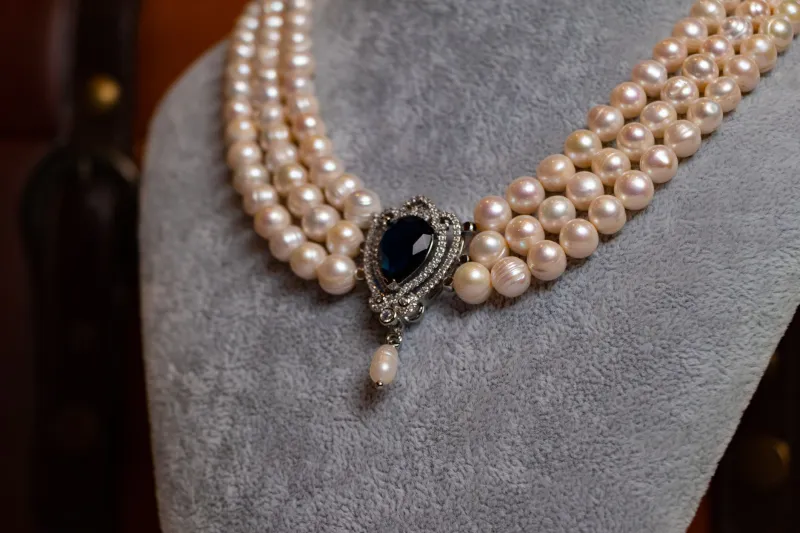
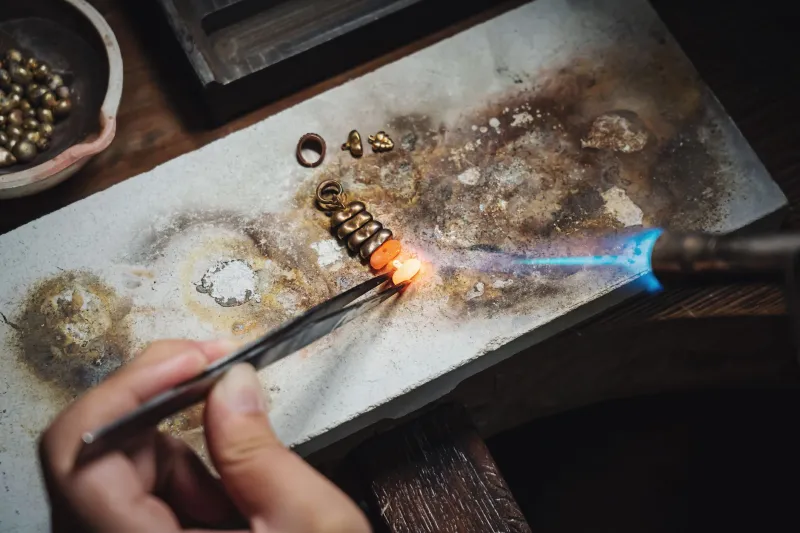
This is a genuinely difficult gift to give, because it requires the original owner to separate their own attachment to the object from the object's future life. A ring that has always been worn on the right hand might find its truest expression on the left. A coat that was always paired with a particular kind of formality might be worn, by the next generation, in a more relaxed and unexpected way. A necklace that was treasured as a single statement piece might be layered with others, or broken down into components, or incorporated into something entirely new.
None of these transformations diminish the original. They extend it.
The Practical Architecture of a Thoughtful Legacy
Beyond the emotional dimensions, there is a practical architecture to passing down luxury well. Several principles have proven their worth among collectors who have navigated this process with particular grace.
Document with specificity. A brief written record accompanying each significant piece—noting its provenance, the circumstances of its acquisition, any relevant history or appraisal—transforms a beautiful object into a legible one. Future owners, and future generations, benefit enormously from this context.
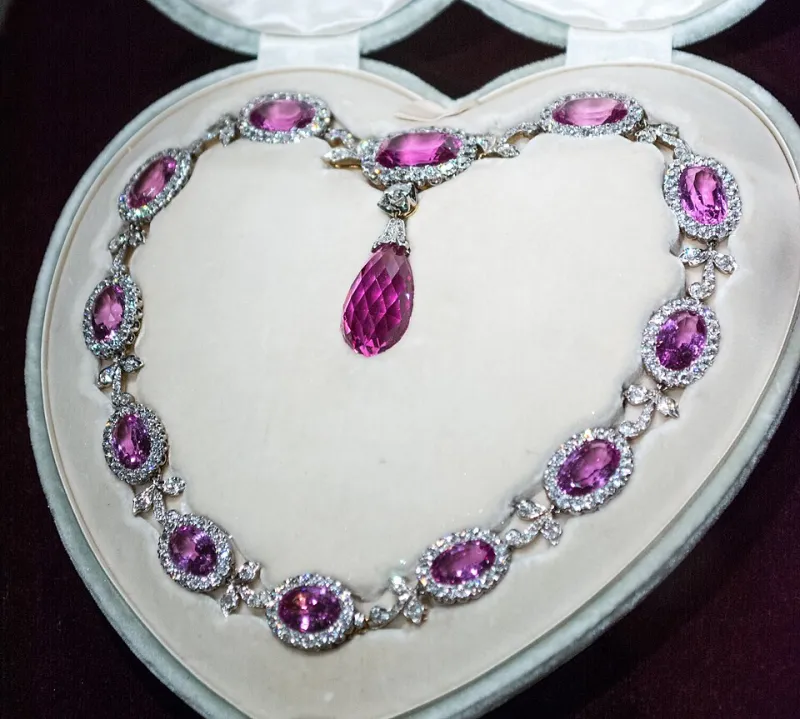
Consider the fit before the sentiment. A piece should be matched to an heir based on genuine compatibility—of aesthetic, of lifestyle, of the kind of occasions that define their days—rather than on birth order or perceived obligation. The niece who has always loved Art Deco jewelry may be a more natural custodian of a particular brooch than the daughter who gravitates toward contemporary minimalism.
Distribute during your lifetime where possible. There is an intimacy to giving a piece in person, with the accompanying story and the opportunity for questions, that no posthumous bequest can replicate. Many collectors find that the act of giving, witnessed and received, is among the most meaningful experiences their collections have afforded them.
Acknowledge the pieces that should not be passed down. Not every item in a luxury collection has the character of an heirloom. Some pieces were acquired for a specific season of life, a particular aesthetic moment, or a context that no longer exists. Releasing these pieces—through sale, donation, or gifting to someone outside the family—is not a failure of stewardship. It is an act of editorial clarity.
The Story as the True Inheritance
There is a final consideration that transcends the objects themselves. Among the most enduring gifts a collector can leave is not a piece of jewelry or a garment but a cultivated sensibility—an understanding of why quality matters, how to perceive it, and what it means to live with beautiful things attentively.
The child who grows up watching a parent care for their possessions with genuine reverence—who learns, by observation, the difference between a piece that was bought and a piece that was chosen—inherits something that cannot be appraised or insured. They inherit a way of seeing.
This, in the end, is what the most thoughtful collectors understand: that the objects are vessels, not destinations. They carry meaning forward, but the meaning itself lives in the people who receive them—and in the stories told, with love and without condition, about the hands that held them first.