One Color, Infinite Depth: The Art of Building a Wardrobe Around a Single Signature Hue
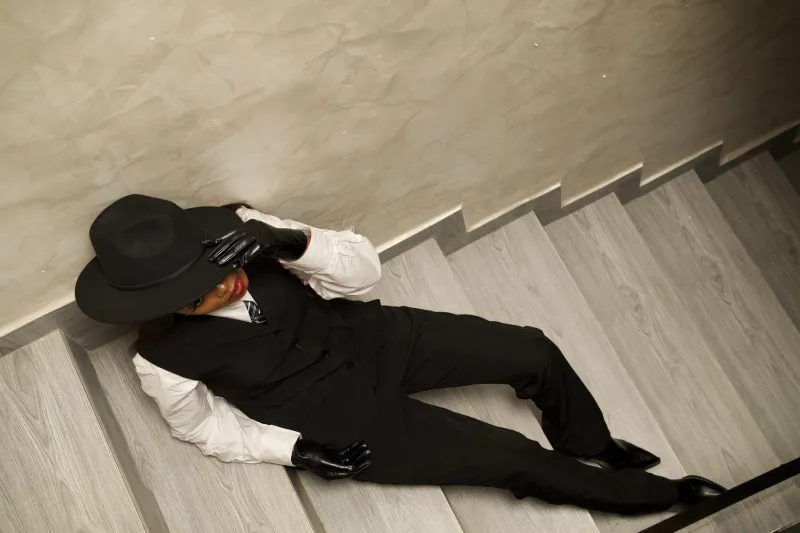
Restraint is among the most misunderstood virtues in the American approach to personal style. In a culture that has long celebrated abundance—the full closet, the varied palette, the ability to wear anything—the idea of deliberately narrowing one's chromatic range can seem, at first glance, like a concession. It is, in fact, the opposite. The wardrobe built around a single signature color is not a limitation. It is a declaration.
This is the quiet discipline practiced by some of the most admired figures in modern style history, and it is one that translates with particular elegance to the luxury wardrobe—where each piece is chosen with care, worn with intention, and expected to endure.
The Logic of Chromatic Commitment
When a wardrobe is unified by color, something remarkable happens to the individual pieces within it. Each garment, each accessory, each jewel is no longer required to announce itself independently. Instead, it participates in a larger composition—one that reads, to the attentive eye, as a coherent aesthetic philosophy rather than a series of individual purchases.
This is why the monochromatic wardrobe is not a beginner's strategy but an advanced one. It requires genuine knowledge of tone, texture, and proportion. The woman who wears ivory from neck to ankle must understand the difference between a warm cream and a cool white, between the weight of silk charmeuse and the structure of wool crepe. The man who builds his wardrobe around charcoal and slate must appreciate how the same color reads differently in flannel, in cashmere, in a fine merino knit.
The palette simplifies nothing. It demands everything.
Choosing Your Color: A Question of Honest Self-Knowledge
The selection of a signature hue is, at its most essential, an act of self-knowledge. It is not a matter of identifying what is currently fashionable or what the season's runway has decreed. It is a matter of understanding which color, worn consistently, creates the truest version of how you wish to appear in the world.
For some, this is a neutral: the entire spectrum of ivory, bone, and white that reads as luminous and unencumbered. For others, it is a deep jewel tone—the navy that borders on midnight, the forest green that suggests age and permanence, the burgundy that carries the warmth of old wine and old wood. And for a particular kind of sensibility, it is the family of blush and rose—colors that are neither aggressive nor absent, that suggest warmth without sentiment.
The test is simple, and it is worth conducting honestly: which color, when you encounter it in a fabric or a stone or a piece of art, produces in you a sense of recognition? That color is your starting point.
Texture as the Language of a Single-Hue Wardrobe
Once the color is established, texture becomes the primary vehicle of variety and visual interest. This is where the monochromatic wardrobe reveals its true sophistication—and where the investment in quality becomes not merely desirable but essential.
Consider a wardrobe built around camel and cognac tones. The range of textures available within this palette is extraordinary: the soft nap of a cashmere coat, the structured weave of a camel-hair blazer, the smooth warmth of a suede glove, the buttery depth of cognac leather, the matte elegance of a fine wool trouser. Each piece occupies the same chromatic territory while offering an entirely different tactile and visual experience.
This is the paradox of the monochromatic approach: by removing color as a variable, you train your eye to perceive everything else with greater acuity. Proportion, drape, surface quality, and finish become vivid where they might otherwise recede behind the distraction of contrast.
Jewelry Within a Single-Hue Framework
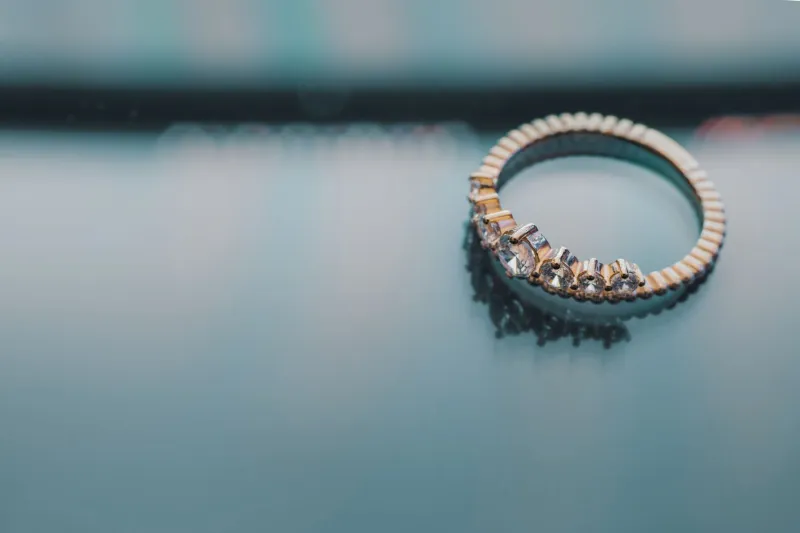
The relationship between a monochromatic wardrobe and its jewelry deserves particular attention. When the palette is narrow, jewelry does not compete—it completes. A single stone, chosen to harmonize or to offer the only point of deliberate contrast, carries a weight it could never achieve in a more varied chromatic environment.
For a wardrobe built around ivory and cream, the choice of a warm yellow gold—perhaps set with a champagne diamond or a pale golden sapphire—creates a conversation between fabric and metal that feels inevitable rather than studied. For a wardrobe of deep, saturated blues, a single piece of platinum set with a cool white diamond or a pale aquamarine reads as the precise note that resolves the composition.
The principle, in each case, is the same: within a limited palette, every choice is amplified. The jewelry cannot hide. It must be right.
Learning from Those Who Have Mastered It
The history of style offers ample instruction. Hubert de Givenchy's lifelong commitment to black and white as the foundation of his personal wardrobe was not a failure of imagination—it was the expression of a rigorous aesthetic intelligence. The late Carolyn Bessette-Kennedy's devotion to a palette of ivory, gray, and black created a visual identity so consistent and so compelling that it remains a reference point decades later. These were not accidents of circumstance. They were the results of deliberate, sustained commitment.
Among American collectors and style-conscious consumers today, the same principle applies at every scale of wardrobe. The woman who wears only the warm neutrals—who has spent years refining her understanding of how ecru reads against her skin, how ivory behaves in different lights—has achieved something that no amount of variety can replicate: a personal aesthetic that is immediately, unmistakably hers.
Beginning the Edit
The practical path to a signature-color wardrobe begins not with acquisition but with elimination. Before adding a single piece in your chosen hue, spend time with what already exists in your closet. Identify which pieces, regardless of color, you reach for most consistently—and notice whether a chromatic pattern emerges.
From there, the edit is gradual. As pieces are replaced or added, the new arrivals are evaluated first against the palette, then against the existing wardrobe as a whole. Over time, the collection coheres. The daily act of dressing becomes less a question of decision than of composition—and composition, when the palette is established, is a pleasure rather than a burden.
This is the gift of the single signature color: not simplicity, but clarity. And clarity, in matters of style as in matters of thought, is the most enduring form of elegance.